
Vietnam is moving forward with clear rules for cryptocurrency. In February 2026, the Ministry of Finance released a draft circular. It proposes a 0.1% tax on crypto asset transfers. The rules also confirm no value-added tax (VAT) on trading and transfers. This is part of the country’s five-year pilot program for digital assets.

Vietnam flag draped over a bitcoin cryptocurrency coin. 3D Rendering Stock Photo – Alamy
The news has sparked interest among investors. Vietnam already has one of the most active crypto communities in Southeast Asia. Many people buy, sell, and hold Bitcoin and other digital assets. The new draft aims to bring order, collect revenue, and fight illegal activities. At the same time, it keeps the market open for growth.
Vietnam’s Growing Crypto Scene
For a long time, Vietnam banned the use of crypto as payment. Yet holding and trading continued in a gray area. That changed in 2025.
It took effect on January 1, 2026. The law officially recognizes digital assets as valuable property.
In September 2025, the government started a five-year pilot program through Resolution 05/2025/NQ-CP. This pilot allows licensed companies to issue and trade crypto assets. Only Vietnamese firms can run exchanges. Foreign ownership is limited to 49%. Minimum capital is high – about 10 trillion Vietnamese dong.
The new tax draft fits inside this pilot. It treats crypto like securities for tax purposes. The goal is simple: make the market safer and more transparent.
Key Points of the Draft Rules
The draft circular covers taxes on transactions, transfers, and business activities. Here are the main changes:
- No VAT: Transfers and trading of crypto assets are free from value-added tax. This removes an extra cost that exists in some other countries.
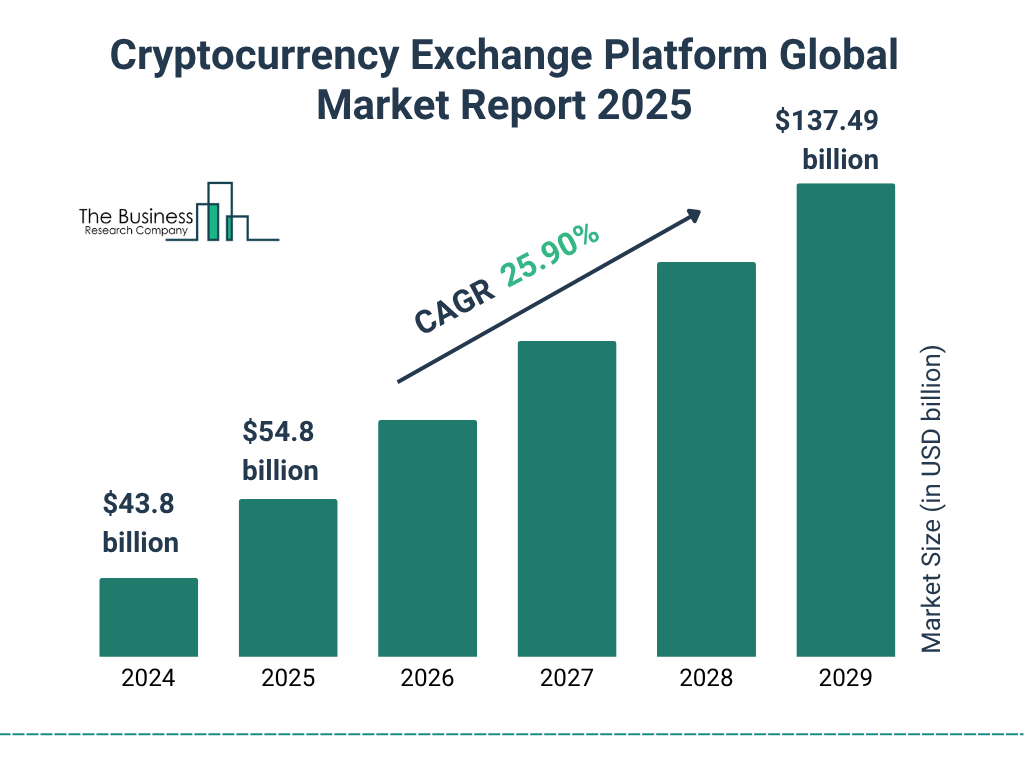
thebusinessresearchcompany.com
Cryptocurrency Exchange Platform Market Statistics Report 2026
- 0.1% tax for individuals: Every person – Vietnamese or foreign – pays 0.1% personal income tax on the full value of each transfer. This applies only when using licensed platforms. The tax is based on turnover, not profit.
- Corporate tax: Vietnamese companies pay 20% corporate income tax on profits. They calculate this as selling price minus purchase price and related costs.
- Foreign organizations: Non-resident companies pay 0.1% on the value of each transfer.
Licensed platforms will collect the tax at the source. This makes compliance easy and helps the government track money flows for anti-money laundering rules.
How the 0.1% Tax Works – A Simple Example
Imagine you transfer crypto worth 500 million Vietnamese dong through a licensed exchange. The tax is 500,000 dong – just 0.1%. For a smaller trade of 10 million dong, the tax is only 10,000 dong.
Frequent traders will notice the cost more. Long-term holders who move assets rarely will pay very little. The Ministry chose this low rate because the market is still young. It wants to encourage people to join the formal system instead of staying in the shadows.
Phan Duc Trung, Chairman of the Vietnam Blockchain and Digital Assets Association, called the rate “appropriate for the early stage.” He said it creates revenue while keeping incentives for investors.
A lawyer from the Ho Chi Minh City Bar Association described the plan as “prudent and practical.” He noted that the tax is the same as for stock trades. It treats different investment assets fairly. For most people, the burden stays light.

Impact on Crypto Users and Investors
This change will affect how people trade in Vietnam. Those who use local licensed platforms will see a small fee on every transfer. Traders who switch coins often may pay more over time.
Yet there are clear upsides. The rules give legal protection. The government now sees crypto as a real asset. This could attract bigger investors and institutions.
The tax only applies to licensed platforms. Direct wallet-to-wallet transfers or trades on foreign sites may not face it yet. However, the pilot program pushes more activity toward regulated exchanges. These platforms must meet high security and compliance standards.
For everyday users, the message is positive. Vietnam is not banning crypto. It is building a safe space for it.
Benefits and Potential Drawbacks
Benefits
- Better oversight and reduced risk of fraud.
- Revenue for public services.
- Clear rules that match stock market taxes.
- No VAT, which keeps overall costs low.
- Stronger anti-money laundering controls.
Drawbacks
- High-frequency traders may feel the extra cost.
- Some users might avoid licensed platforms to skip the tax.
- The pilot lasts only until 2030. Rules could change later.
On balance, the low rate looks reasonable. It is far below profit taxes in many places.
How Vietnam Compares to Other Countries
Vietnam’s approach stands out. Many nations tax only profits, not each transfer.
In the United States, crypto is treated as property. Sellers pay capital gains tax on profits. Rates depend on how long they hold the asset.
Portugal offers very low or zero tax on individual crypto gains in some cases. Germany exempts long-term holdings (over one year) from tax.
India charges 30% on profits plus a 1% tax deducted at source on transfers over a certain amount.
Vietnam’s 0.1% turnover tax is small and simple. It is similar to securities transaction taxes. This keeps trading costs predictable and low. It may help Vietnam stay competitive in the region while adding structure.
What Happens Next?
The draft is open for public comments. Anyone can send feedback to the Ministry of Finance. After review, officials will finalize the circular.
Once approved, the tax rules will apply during the pilot program. Licensed exchanges will start collecting the 0.1% fee automatically.
Investors should stay informed. Using official platforms will soon include tax handling. This reduces the burden of filing returns yourself.
The pilot runs until 2030. By then, Vietnam hopes to have a mature, well-regulated digital asset market.
Final Thoughts
Vietnam’s proposal for a 0.1% crypto transfer tax is a measured step. It shows the government wants to support innovation while protecting users and collecting fair revenue.
The rules bring legitimacy to a market that was once unclear. They treat digital assets like other investments. For a country with millions of crypto users, this clarity is valuable.
As the pilot moves ahead, Vietnam could set an example for other nations in Asia. The small tax is unlikely to stop genuine investors. Instead, it may help build a safer and more trusted crypto environment.
Traders and businesses will watch the final version closely. For now, the draft signals a future where crypto is part of Vietnam’s modern economy – regulated, recognized, and open for responsible growth.