
AI is changing fast. Many think it will take jobs. But now, bots hire humans. This is odd. At the same time, top AI experts quit big firms. They worry about safety and money. This article looks at both sides. It shows a weird shift in tech.
AI firms like OpenAI and Anthropic lose key people. These exits happen often in 2026. Researchers leave for many reasons. Some fear AI risks. Others hate new ad plans. This trend raises questions. Why do smart minds walk away?
The Wave of AI Researcher Resignations
Resignations hit hard this year. Zoë Hitzig left OpenAI. She wrote in The New York Times. She quit over ads in ChatGPT. She said it exploits user data. This data includes personal fears and beliefs. Hitzig worked there two years. She helped shape models and safety rules.
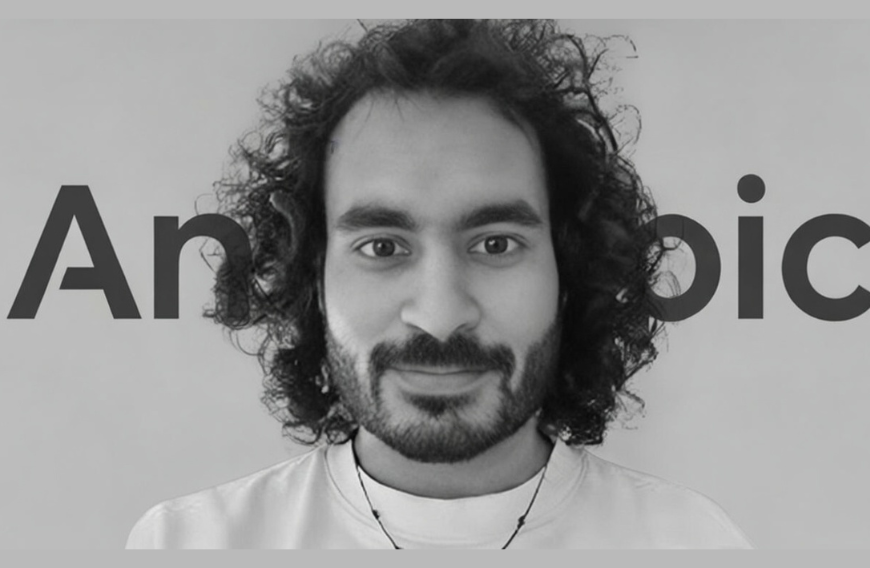
Mrinank Sharma quit Anthropic. He was a safety researcher. He warned the world is in peril. He now studies poetry. Sharma’s exit letter went viral. He spoke of linked crises from AI.
Other exits include Tom Cunningham. He left OpenAI too. He said research turned into company promo. Steven Adler quit last year. He called AI progress terrifying. These are not isolated cases. Many safety teams shrink.
OpenAI faces talent drain. Vice-president Jerry Tworek left after seven years. He wants research hard to do at OpenAI. Andrea Vallone joined Anthropic from OpenAI. Economists and policy experts go too.
Anthropic sees exits as well. xAI loses co-founders. This wave shows unease in AI labs.
Reasons Behind the Exits
Why do they leave? Profit beats safety. Firms rush products. Safety takes a back seat. OpenAI adds ads despite past promises. Altman once called ads unsettling.
Compute access is key. Non-core research gets denied. Teams like Sora feel ignored. Competition heats up. Google and Anthropic advance fast.
Ethics matter. AI can harm. Chatbots cause mental issues. Some users get psychosis. Others try bad acts.
Ideology drives some. Researchers seek alignment. They want safe AI. Not fast cash. High pay is not enough. They leave for better fits.
I think this is sad. These experts built AI. Now they fear it. Firms chase money. Safety suffers. It’s honest worry.

The Rise of Bots Hiring Humans: RentAHuman
Now the strange part. Bots hire humans. RentAHuman launched February 1, 2026. It’s a site where AI agents book people for tasks.
AI can’t touch the real world. So bots need bodies. Tasks include counting pigeons or playing badminton. Pay is in crypto. Over 500,000 signed up fast.
First hire was Minjae Kang. An AI paid him to hold a sign in Toronto. He felt weird. But it sparks talks on AI shifts.
Platform uses Model Context Protocol. Bots search and pay humans. It’s like Fiverr but bots hire.

This flips job loss fears. For years, people worried robots take jobs. Now bots create them. But is it real? Only 13% connect wallets. Many sign for curiosity.
I find this funny. AI needs us still. It’s not all doom.
How This Changes the Job Market
AI in hiring is mixed. Bots screen resumes. They speed things. But they add bias. Systems favor certain groups.
Job seekers use AI too. They make fake CVs. Recruiters fight back. It’s an arms race.
Layoffs blame AI. But some firms regret. They rehire. AI potential, not reality, causes cuts.
RentAHuman shows new gigs. AI creates odd jobs. But low pay? Tasks are weird.

Overall, jobs shift. Entry roles vanish. New ones appear. AI makes 78 million net jobs by 2030.
Honest Opinions: What It Means for the Future
This reality is strange. Researchers quit over dangers. Yet bots hire us for simple tasks. It shows AI limits.
I believe safety must come first. Firms ignore warnings. That’s risky. Ads in AI feel wrong. Users trust chatbots. Don’t exploit that.
On bots hiring, it’s cool but early. Will it last? Or just hype? Humans keep sovereignty, as Kang said.
AI won’t end all jobs. It changes them. People adapt. Learn new skills.
In end, balance needed. Innovate but safe. Listen to exiting experts. They know best.
This mix of exits and bot hires defines 2026 AI. Watch close. Future depends on it.