
A groundbreaking new study has uncovered alarming connections between ultra-processed foods and cardiovascular disease, showing that high consumption can significantly elevate the risk of heart attack and stroke. Researchers found that adults with the highest intake of ultra-processed foods face a 47% increased risk of heart-related events compared to those consuming the least.
Published in The American Journal of Medicine, this research highlights the hidden dangers lurking in everyday packaged snacks, sodas, and processed meats—foods that dominate modern diets.

:max_bytes(150000):strip_icc()/WhatAreProcessedFoods-final-a192a011d2ef4b63a1679fdb2aff1336.png)
Key Findings from the New Study on Ultra-Processed Foods and Heart Risks
Researchers at Florida Atlantic University’s Charles E. Schmidt College of Medicine analyzed data from 4,787 U.S. adults aged 18 and older, drawn from the National Health and Nutrition Examination Survey (NHANES) between 2021 and 2023.
Participants provided detailed dietary records, allowing scientists to calculate the percentage of calories from ultra-processed foods (UPFs). They were divided into four groups based on intake levels.
Even after adjusting for factors like age, sex, race, ethnicity, smoking, and income, adults in the highest UPF consumption group had a statistically significant 47% higher risk of cardiovascular disease—defined as a self-reported history of stroke or heart attack.
As Charles H. Hennekens, M.D., senior author and professor of drugs, defined: “Those with the best intake of UPFs suffer a statistically sizable and clinically important 47% higher danger of cardiovascular disease. The medical care, public policy, and future studies all stand to benefit significantly from these findings.
The study also links high UPF intake to metabolic syndrome (including obesity, high blood pressure, and insulin resistance) and elevated inflammation markers, both strong predictors of heart disease.
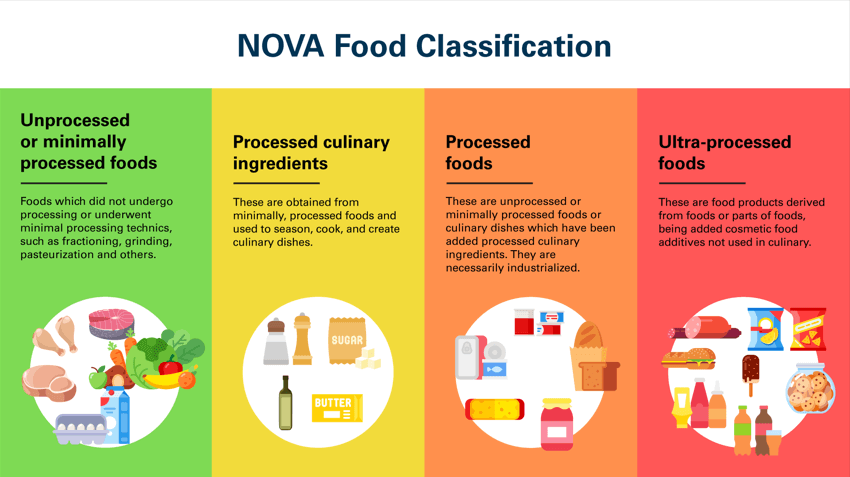
What Are Ultra-Processed Foods? Understanding the NOVA Classification
Ultra-processed foods fall under Group 4 of the NOVA food classification system. These industrial formulations contain added sugars, fats, salts, and chemical additives like emulsifiers, often with little to no whole food content.
Common examples include:
- Sugary sodas and energy drinks
- Packaged snacks like chips and cookies
- Processed meats (hot dogs, sausages)
- Instant noodles and frozen meals
- Sweetened cereals and candies
In the U.S., UPFs make up nearly 60% of adult calories and 70% of children’s diets, contributing to their widespread health impact.
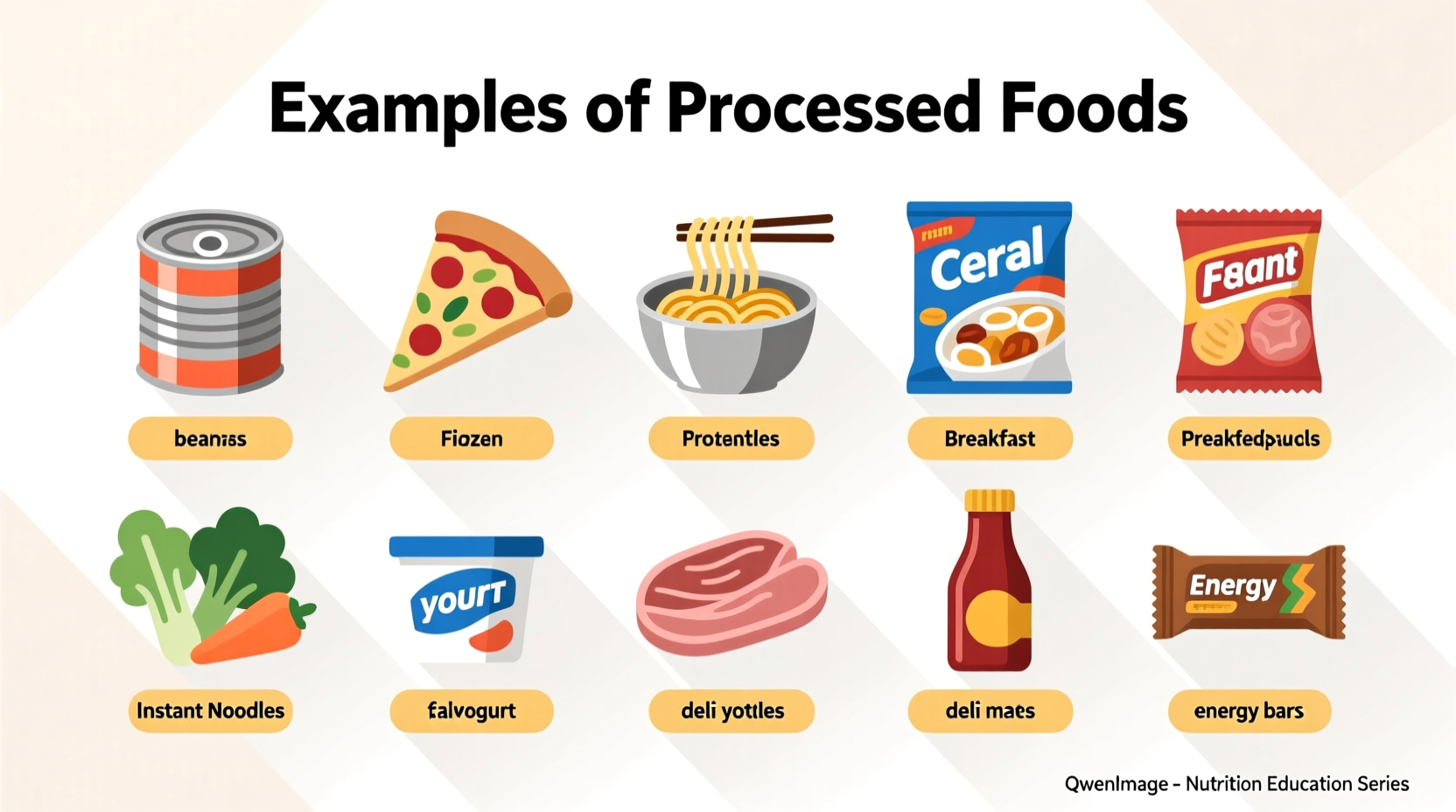
Processed Foods Examples: Minimal to Ultra-Processed Guide
Why Do Ultra-Processed Foods Pose Hidden Risks to Heart Health?
UPFs harm the heart through multiple mechanisms:
- High in harmful ingredients — Loaded with added sugars, sodium, trans fats, and refined starches that raise blood pressure, cholesterol, and inflammation.
- Low in nutrients — Stripped of fiber, vitamins, and antioxidants found in whole foods.
- Additives and processing effects — Emulsifiers and preservatives may disrupt gut health and promote systemic inflammation, a key driver of cardiovascular disease.
This latest research builds on prior evidence linking UPFs to higher risks of obesity, type 2 diabetes, and even certain cancers, reinforcing the urgent need to limit them for better heart health.
How to Reduce Ultra-Processed Foods and Protect Your Heart
Cutting back on UPFs can lower cardiovascular risks. Start with these practical steps:
- Read labels — Avoid items with long ingredient lists including added sugars, hydrogenated oils, or unfamiliar additives.
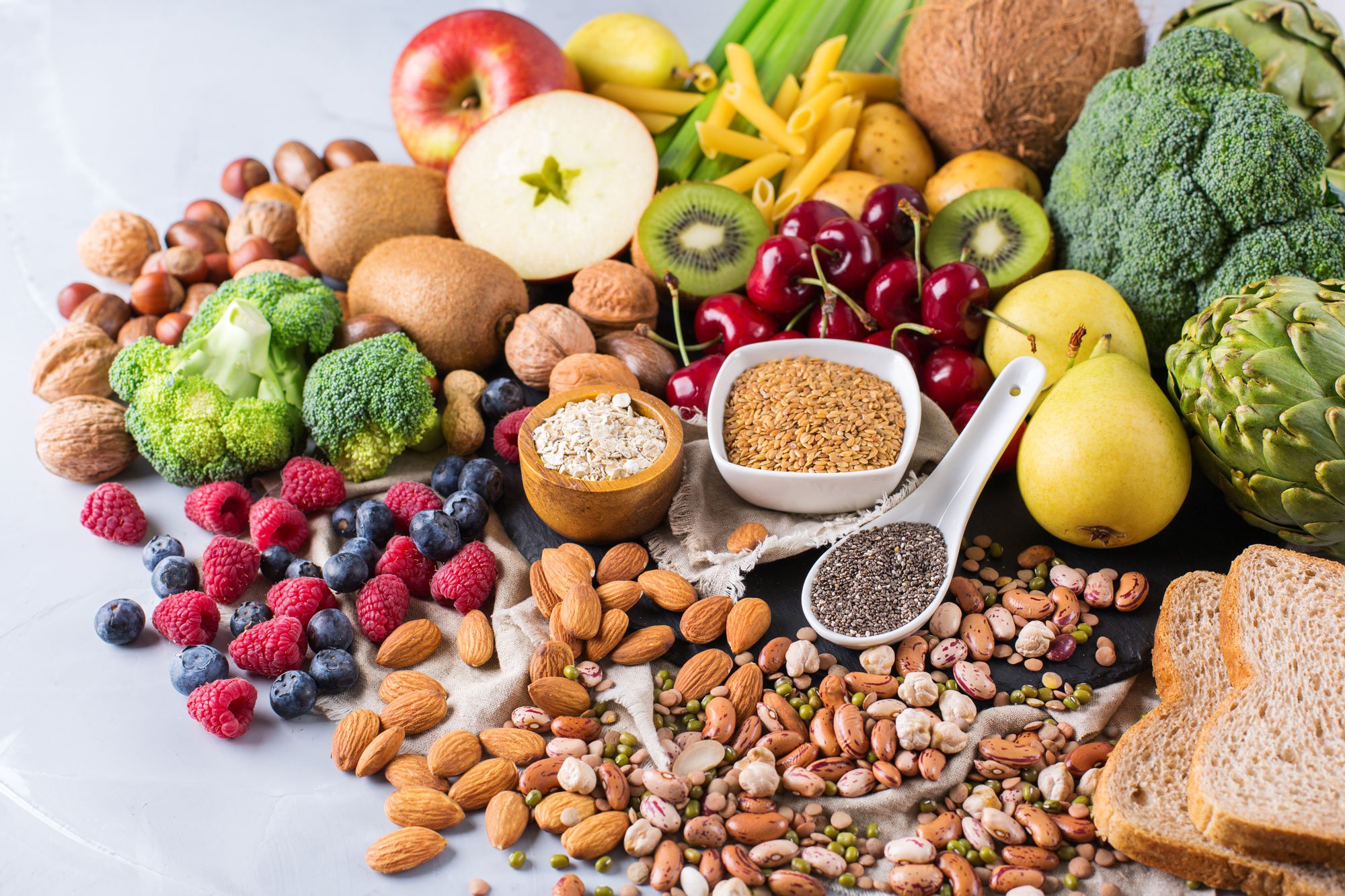
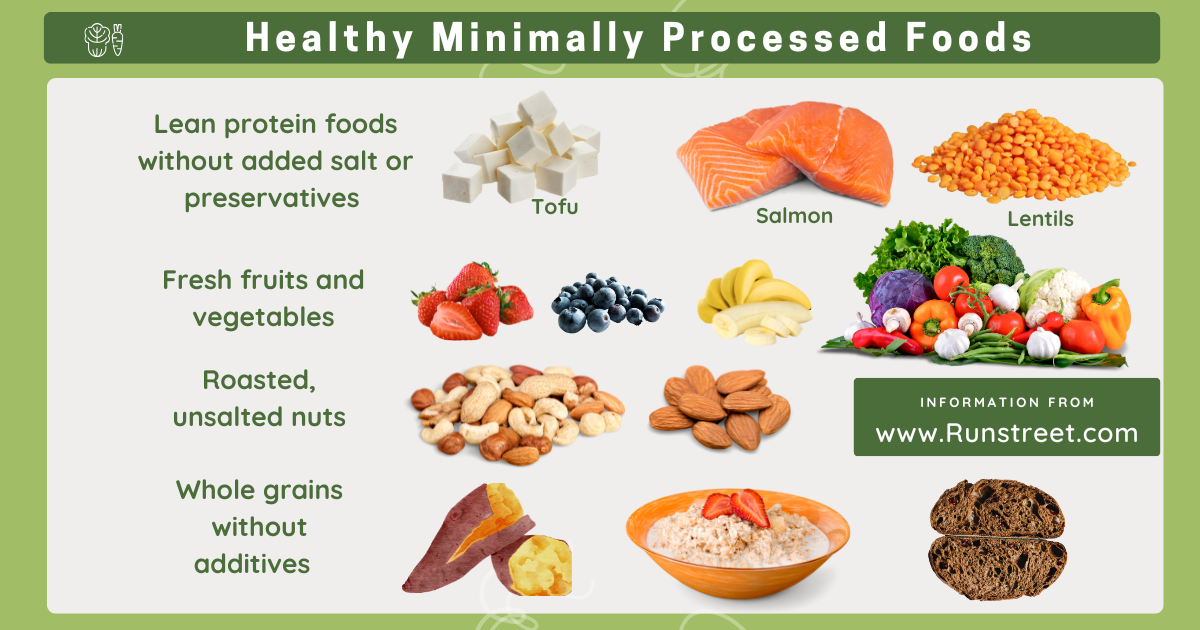
- Choose whole foods — Opt for fresh fruits, vegetables, nuts, lean proteins, and whole grains.
- Cook at home — Prepare meals from minimally processed ingredients to control what’s in your food.
- Plan snacks wisely — Swap chips for nuts or fruit.
- Gradual changes — Replace one UPF item per week with a healthier alternative.

As researchers emphasize, making nutritious options more accessible requires both personal effort and broader public health policies—much like past successes in reducing tobacco use.
This new study serves as a wake-up call: the hidden risks of ultra-processed foods on heart health are real and significant. By prioritizing whole, minimally processed foods, you can take meaningful steps toward a healthier heart. For individualized dietary guidance, speak with your healthcare provider.