
In the pantheon of cinematic artifacts that encapsulate the ebullient spirit of late twentieth-century American comedy, the 1990 film Taking Care of Business, directed by Arthur Hiller and featuring the inimitable talents of James Belushi and Charles Grodin, occupies a distinctive niche. This narrative, which chronicles the serendipitous appropriation of a corporate executive’s Filofax by an escaped convict, thereby precipitating a cascade of comedic misadventures, not only garnered modest commercial success—yielding approximately $20 million at the box office—but also cultivated a devoted cadre of enthusiasts who cherish its whimsical portrayal of identity inversion and social satire. Amidst this ensemble, the character of Jewel Bentley, portrayed with vivacious aplomb by the then-nascent actress Loryn Locklin, emerges as a luminous exemplar of the era’s archetypal ingenue: a figure imbued with allure, audacity, and an undercurrent of subversive wit. This exposition endeavors to delineate the trajectory of Locklin’s portrayal of Jewel Bentley, juxtaposing her cinematic inception in 1990 with her contemporary resonance in 2026, while proffering candid reflections on the cultural and personal evolutions that such a temporal span engenders.
The Genesis of Jewel Bentley: Contextualizing the Character in 1990
To apprehend the indelible imprint of Jewel Bentley upon the collective cinematic consciousness, one must first situate her within the narrative architecture of Taking Care of Business. The film unfolds as Jimmy Dworski (Belushi), a recidivist absconder from incarceration, serendipitously acquires the organizational ledger of Spencer Barnes (Grodin), a harried magnate ensnared in the exigencies of corporate exigence. Assuming Barnes’ persona, Dworski infiltrates the opulent milieu of the Bentley estate, where he encounters Jewel, the progeny of affluent patriarch Walter Bentley (Stephen Elliott). Locklin, at the tender age of twenty-one, infuses Jewel with a blend of coquettish charm and unapologetic sensuality, rendering her not merely a foil for comedic exploits but a catalyst for thematic explorations of authenticity and desire.
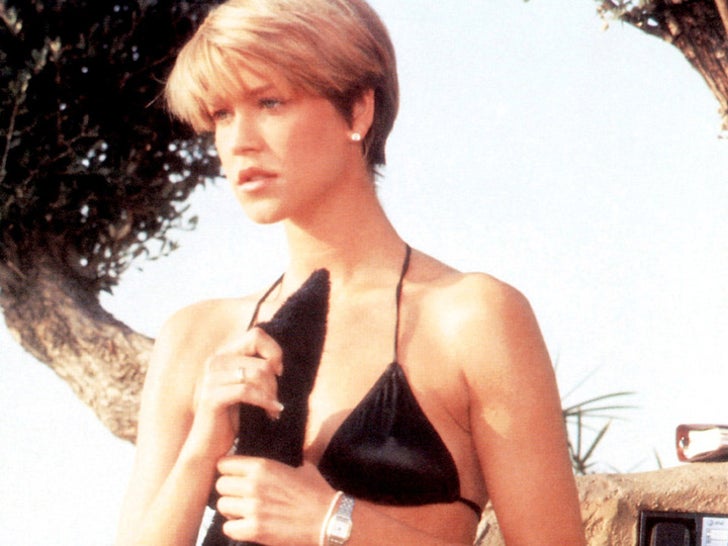
Jewel’s characterization, while ostensibly conforming to the tropes of the vivacious damsel, transcends superficiality through Locklin’s nuanced performance. Her interactions with Dworski, replete with flirtatious banter and physical comedy, culminate in memorable vignettes that underscore the film’s lighthearted ethos. A quintessential exemplar is the scene wherein Jewel, attired in a provocative swimsuit, engages in repartee that wittily alludes to “the best safe sex I’ve ever had,” a line that not only elicits mirth but also subtly advocates for responsible intimacy amid the AIDS epidemic’s shadow. Such moments, emblematic of 1990s cinematic mores, reflect a cultural milieu wherein humor often intersected with nascent social consciousness, thereby endowing Jewel with a dimensionality that belies her ancillary role.
In retrospect, Locklin’s debut in this capacity—her inaugural foray into major studio productions following minor television appearances—heralded a promising trajectory. Born on November 3, 1968, she embodied the fresh-faced vitality requisite for Jewel, her short-cropped blonde coiffure and luminous countenance evoking the aesthetic predilections of the epoch. The film’s sartorial choices for her character—ranging from elegant casuals to revealing ensembles—amplified her visual prominence, rendering her an icon of youthful allure in a narrative dominated by male protagonists.
Loryn Locklin’s Post-1990 Career: Vicissitudes and Contributions
Subsequent to Taking Care of Business, Locklin’s professional odyssey evinced a pattern of eclectic engagements, albeit without ascending to the stratospheric echelons of stardom. Her filmography encompasses roles in Catch Me If You Can (1989), where she portrayed Melissa Hanson, and the dystopian thriller Fortress (1993), in which she assumed the lead as Karen B. Brennick opposite Christopher Lambert. These ventures, while demonstrating her versatility across genres—from comedic capers to speculative fiction—did not propel her into ubiquitous recognition. Later appearances in Denial (1998) and Operation Splitsville (1999) further attest to her sustained, if understated, presence in the industry.
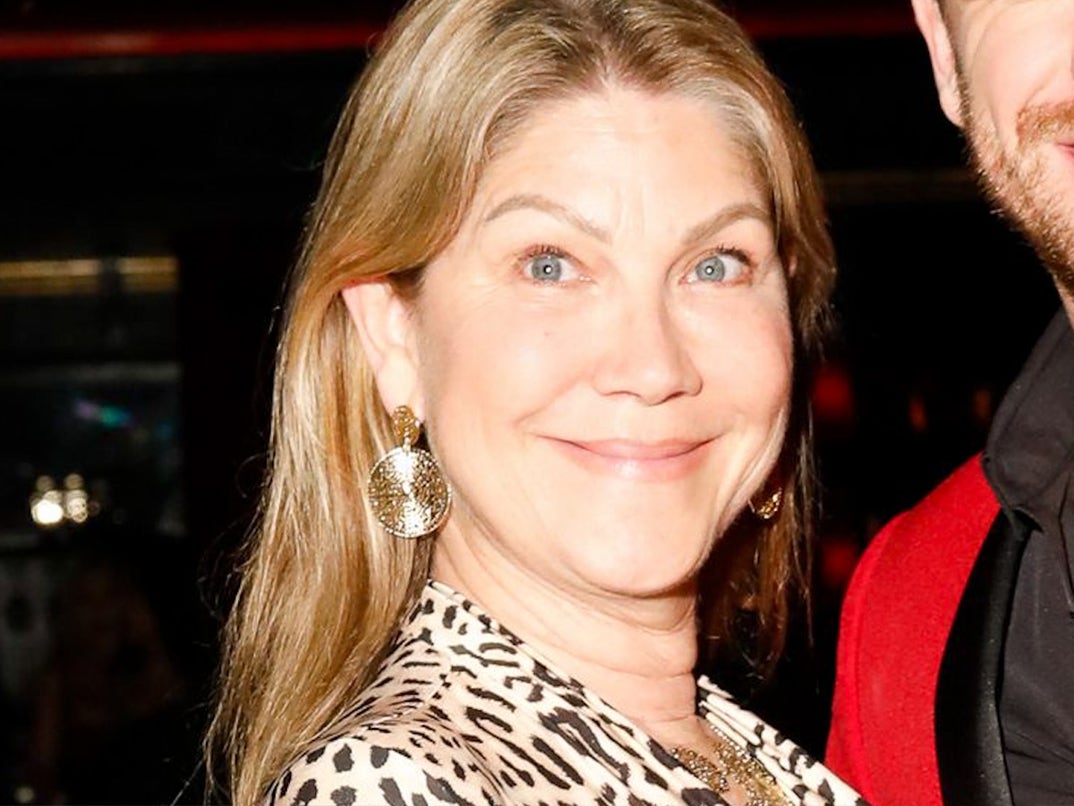
Television excursions, including guest spots in series such as the rebooted The Rockford Files and Night Visions, supplemented her cinematic endeavors. Yet, the exigencies of Hollywood—a domain characterized by capricious fortunes and relentless competition—appear to have steered Locklin toward a more reclusive posture in subsequent decades. By 2026, at the age of fifty-seven, she maintains a discreet profile, eschewing the limelight that ensnares many contemporaries. Recent missives from entertainment periodicals, such as TMZ’s February 2026 “Memba Her?!” feature, evoke nostalgia while underscoring her enduring, albeit peripheral, cultural footprint.
This evolution prompts introspection regarding the vicissitudes of fame. In candid appraisal, Locklin’s career trajectory exemplifies the precarious equilibrium between artistic fulfillment and commercial exigency. While her oeuvre lacks the prolificacy of luminaries, her contributions—particularly as Jewel Bentley—resonate with authenticity, evincing a talent that, perhaps by choice or circumstance, prioritized substantive roles over ubiquity.
Nostalgic Resonance: Jewel Bentley’s Enduring Appeal in Contemporary Discourse
The perennial allure of Jewel Bentley transcends mere reminiscence, manifesting in contemporary digital fora where enthusiasts dissect 1990s cinema with scholarly zeal. Social media platforms abound with citations of her quips and visual motifs, underscoring the character’s emblematic status within the comedic canon. Streaming services’ proliferation has revitalized Taking Care of Business, introducing Jewel to neophyte audiences who discern in her a precursor to modern portrayals of empowered femininity.
Moreover, the character’s advocacy for safe intimacy, albeit cloaked in humor, aligns with evolving societal dialogues on sexual health, rendering her prescient in retrospect. In forthright opinion, Jewel’s depiction, while occasionally veering toward objectification—a lamentable artifact of the era—benefits immeasurably from Locklin’s infusion of agency and wit, thereby mitigating reductive interpretations and elevating her to a symbol of playful autonomy.
Comparative Analysis: Temporal Transformations in Appearance and Persona
A diachronic juxtaposition of Locklin’s visage from 1990 to 2026 reveals the inexorable march of chronology. In her youth, she exuded an effervescent luminosity, her features sharp and animated, emblematic of untrammeled vitality.

Contemporary depictions, conversely, portray a countenance etched with the patina of experience—lines that bespeak wisdom accrued through decades, her demeanor suffused with serene composure.
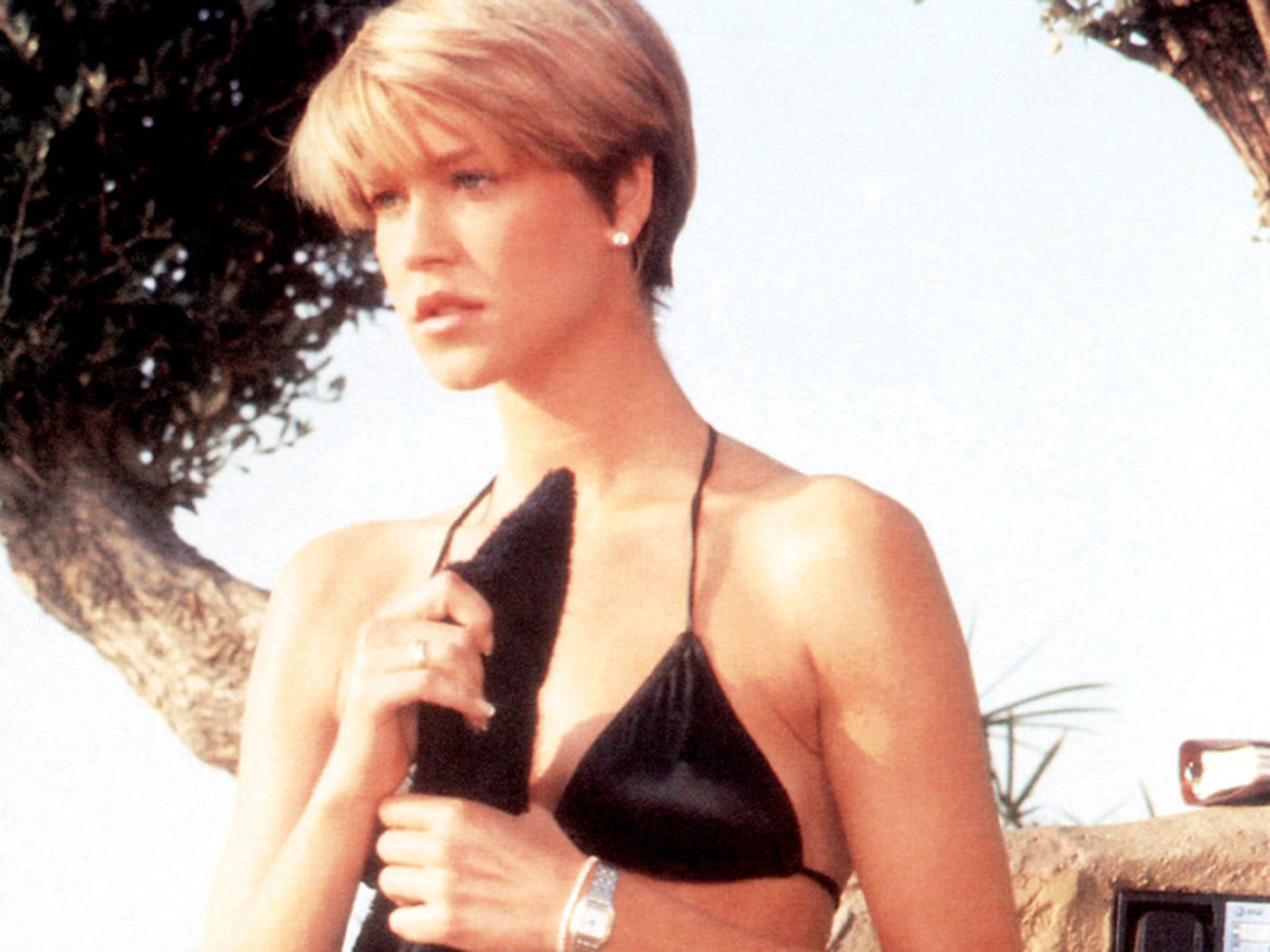
This metamorphosis, far from diminution, enriches her narrative, illustrating the human condition’s inherent mutability.
In earnest reflection, such transformations evoke a poignant melancholy, reminding observers of temporal ephemerality. Yet, they also affirm resilience, as Locklin’s graceful navigation of aging underscores a narrative of personal sovereignty beyond Hollywood’s glare.
Concluding Reflections: The Legacy of Jewel Bentley
In summation, the odyssey of Jewel Bentley from her 1990 incarnation to her 2026 evocation encapsulates the interplay between cinematic artifact and lived biography. Loryn Locklin’s portrayal, imbued with charisma and subtlety, endures as a testament to the transformative power of performance. While her career eschewed the zeniths of fame, its integrity commands respect, prompting contemplation on the manifold paths to artistic satisfaction.
This nostalgic retrospection not only revivifies a cherished character but also invites broader discourse on cultural evolution. As audiences revisit Taking Care of Business, Jewel’s vivacity persists, a luminous thread in the tapestry of film history. In final candor, her legacy, though understated, profoundly enriches the cinematic landscape, affirming that true resonance often resides in the subtle rather than the spectacular.